


WNY Plastic Surgery: Andrew P. Giacobbe, MD, FACS
7 Hopkins Road
Williamsville, NY 14221
Phone: (716) 634-5555
Locations Hours: Mon - Fri: 9 a.m. – 5 p.m.
Lip Augmentation
Why Injectable Fillers?
Enhancing your appearance with soft tissue augmentation
The visible signs of facial aging occur over time as a result of sun exposure, heredity and lifestyle.
One of the earliest signs of aging is a loss of facial fullness and the development of wrinkles. Softening of these facial lines and the restoration of volume and fullness in the face can often be achieved non-surgically with injectable fillers.
If you would like to restore facial contours or reduce the appearance of lines and creases, injection therapy with soft tissue fillers may be right for you.
Injectable fillers can:
- Plump thin lips
- Enhance shallow contours
- Soften facial creases and wrinkles
- Improve the appearance of recessed scars
Lip Augmentation
Before & After Photos


Keep in mind that each patient is unique and your results may vary.
What it won’t do:
Soft tissue augmentation does not stop the aging process. If you wish to change the elements of your face, surgery such as a facelift, brow lift or eye lift may be the answer.
Non-surgical rejuvenation treatments such as injectable fillers cannot achieve the same results, but may help delay the time at which a facelift becomes appropriate.
Is it right for me?
While not as involved as surgical cosmetic procedures, soft tissue augmentation is a medical procedure. You should do it for yourself, not to fulfill someone else’s desires or to try to fit any sort of ideal image. Tissue fillers are a good option for you if:
- You are physically healthy
- You don’t smoke
- You have a positive outlook and specific, but realistic goals in mind for the improvement of your appearance

Earn Rewards With Allē Loyalty Program
Get the most out of every visit with Allē rewards! With Allē, you can save on your favorite med spa procedures and skincare products by turning points into exclusive perks and discounts. Earn points each time you come in for a qualifying treatment, including BOTOX® Cosmetic, JUVÉDERM®, DiamondGlow®, and more.
What’s the Best Type of Lip Filler?
There’s no single “best” lip filler for everyone. Several types of injectable fillers are available, and the ideal option depends on your anatomy, aesthetic goals, and how long you’d like your results to last. Below is an overview of the filler materials your provider may consider when creating a personalized treatment plan.
Collagen is a natural protein that supports the skin. Injectable collagen formulas derived from human dermis include Cosmoderm or Cosmoplast. Zyderm and Zyplast are forms of bovine collagen that, unlike human-derived collagen, require prior allergy testing. The results may last 2 to 4 months.
Hyaluronic Acid is a natural substance found in our bodies. It is well suited to plump thin lips and fill facial creases such as nasolabial folds. It may also be appropriate for some surface wrinkles and concave scars. The results may last 6 months or longer.
Hydroxylapatite is a mineral-like compound found naturally in human bones, suspended in a gel-like formulation. It is the heaviest of facial fillers and is recommended to fill deeper creases such as nasolabial folds, marionette lines and frown lines, as well as to enhance fullness of the cheeks and other facial contours.
Human fat, harvested from your own body, can be reinjected to enhance facial fullness, fill deep creases, and build up shallow contours. Fat injection requires a more extensive procedure than other injectable fillers because it uses liposuction techniques to extract the fat prior to injection.
Treatment results last up to a year or more in some cases and are highly variable. (Fat can be stored for your own future treatment. The duration of results from preserved fat is not as favorable as fat used at the same time it is harvested.)
A note about the FDA and injectable fillers: The U.S. Food and Drug Administration reviews and approves pharmaceutical fillers in the same manner as medical devices. However, some fillers may be used on an off-label basis, meaning they are approved medical treatments but not directly reviewed for a specific application. The options discussed in this brochure are among the current fillers preferred by plastic surgeons. Some are available for general use, others are not; regulatory status may be subject to change.
What Happens During Lip Filler Treatment?
Step 1. Your plastic surgeon will carefully evaluate your facial appearance and skin tone, and examine the areas of your face to be augmented with injectable fillers.
Step 2. Strategic points on your face may be marked as guides to the appropriate injection sites for the filler.
Step 3. The injection sites will be cleansed with an antibacterial agent and icing or a topical numbing agent may be offered to make more sensitive patients comfortable.
In some cases, the filler itself will contain an anesthetic agent. In other cases local anesthetic may be administered to the treatment site.
Step 4. Injection takes only a few moments per site and a few minutes for a course of treatment.
Step 5. Following injection, any markings will be cleansed and icing may be offered to alleviate any temporary, minor discomfort. Makeup may be carefully reapplied so long as care is taken not to apply pressure to the treatment area.
Filling wrinkles or recessed scars involves multiple injections. In some cases where deeper injection of fillers is required, a local anesthetic may be used prior to treatment.
Common sites for deeper tissue fillers are the nasolabial folds and marionette lines, or to enhance fullness in the cheeks.
An improved appearance is visible almost immediately, although minor swelling or bruising may appear at the injection sites.
With some fillers, a slightly “over-filled” appearance may be initially present. These conditions will resolve within a few hours, or at most a few days. The duration may be as long as a few weeks with injection of one’s own harvested fat.
Lip Filler Safety and Risks
The decision to have soft tissue augmentation is extremely personal, and you’ll have to decide if the benefits will achieve your goals and if the risks and potential complications are acceptable.
Your plastic surgeon and/or staff will explain in detail the risks associated with surgery. You will be asked to sign consent forms to ensure that you fully understand the procedure you will undergo and any risks and potential complications.
Complications from fillers are uncommon.
The risks vary depending on the specific filler used and the relative permanence of the filler substance and include:
- Fillers derived from non-human sources may require a pre-treatment allergy test
- Infection at the injection site
- Fillers that are not completely fluid and contain microscopic granular substances carry a risk of “clumping” as a result of facial movement and the natural aging process. Over time, these can result in lumps or nodules that may require surgery to treat
- Acne-like skin eruptions
- Antibodies to filler material may reduce the effectiveness of future injections
- Asymmetry
- Bleeding, bruising, and swelling
- Filler material may migrate from the original site and produce temporary paralysis of other muscle groups or other unintended effects
- Skin might die (skin necrosis)
- Skin rash, itching, and swelling
- Skin redness
- Skin sensitivity
- Under or overcorrection of wrinkles
When performed by an experienced provider using appropriate materials and techniques, lip filler treatments are generally safe and well-tolerated. A thorough consultation and clear communication with your provider are key to minimizing risks and achieving results that feel both natural and confident.
Why an Experienced Injector Is Worth It
Choose a professional. Although tissue augmentation is a quick, in-office procedure that can produce a marked improvement in restoring facial fullness and a more youthful appearance, effective and safe use requires a physician with specialized training and a thorough understanding of facial anatomy to recommend and inject an appropriate filler.
Choosing a plastic surgeon to treat your face with injectable fillers means that your treatment will be performed by someone who not only has training in injection therapy, but in all types of non-surgical and surgical facial rejuvenation.
Be sure to ask questions: It’s very important to ask your plastic surgeon questions about your tissue filler procedure. It’s natural to feel some anxiety, whether it’s excitement for your anticipated new look or a bit of preoperative stress. Don’t be shy about discussing these feelings with your plastic surgeon.
Dr. Andrew Giacobbe
Board-Certified Plastic Surgeon
Double board-certified plastic surgeon Dr. Andrew Giacobbe is a top Buffalo plastic surgeon known for his expertise and warm demeanor. He and his remarkable team are proud to be your partner in aesthetics, specializing in custom surgical and nonsurgical options to help you look and feel your very best.
Dr. Giacobbe is a leader is the local medical community and a member of prestigious national plastic surgery societies, such as the American Society of Plastic Surgeons and the Aesthetic Society.
Dr. Giacobbe View Before & After PHotos

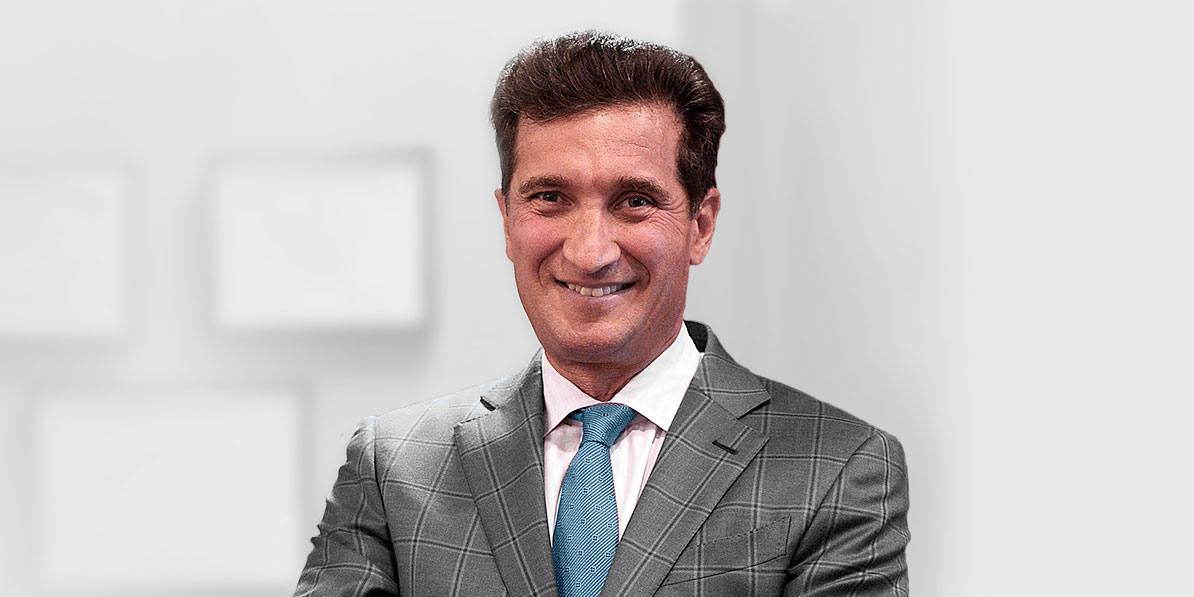
Dr. Andrew Giacobbe
Dr. Andrew Giacobbe
Board-Certified Plastic Surgeon
Double board-certified plastic surgeon Dr. Andrew Giacobbe is a top Buffalo plastic surgeon known for his expertise and warm demeanor. He and his remarkable team are proud to be your partner in aesthetics, specializing in custom surgical and nonsurgical options to help you look and feel your very best.
Dr. Giacobbe is a leader is the local medical community and a member of prestigious national plastic surgery societies, such as the American Society of Plastic Surgeons and the Aesthetic Society.
Dr. Giacobbe View Before & After PHotos
Lip Filler Recovery
The results of soft tissue augmentation using injectable fillers are apparent immediately. Your initial appearance after treatment with any filler may include:
- Mild swelling or bruising
- Temporary numbness or redness
- An “over-filled” appearance to treated areas
These conditions can be alleviated with topical icing and will improve within a matter of hours or just a few days.
Where fat is the injected filler, these conditions may persist for a few weeks.
Results and Outlook
The results of soft tissue augmentation with injectable fillers are not permanent, even though a filler substance may be considered permanent. The continued aging of your face and variables in the absorption of fillers will affect how long your results last.
Should you choose not to repeat treatment, your appearance will return to its original condition. Plumped lips will lose volume, and improved wrinkles, creases and scars will visibly recess and fully reappear in time.
The results of permanent fillers can change over time; as you age naturally, these fillers may shift or clump.
Surgical removal may be necessary to correct these conditions and could result in visible changes in appearance and noticeable changes in the texture of soft tissue.
Your initial treatment will include a complete consultation. Subsequent follow-up procedures may take only a few minutes, as the full process of consultation is not necessary to repeat, although consent is required at each visit.
How Much Does a Syringe of Lip Filler Cost?
For lip fillers, pricing varies primarily based on the type of filler used and the injector’s level of expertise. Filler materials vary in cost, and advanced injection techniques require training and expertise that directly affect outcomes and safety.
Geographic location and the provider’s level of experience may also affect overall pricing. During your consultation, your injector will review your goals and recommend an option that aligns with both your aesthetic priorities and your budget.
Many practices offer patient financing options to help make treatment more accessible, so be sure to ask about available plans.
Your satisfaction involves more than cost.
When choosing a provider for lip filler treatments, experience, skill, and trust matter just as much as price. Selecting an experienced injector who understands facial balance and lip anatomy can help minimize risks and achieve natural, well-proportioned results.
Most health insurance plans do not cover cosmetic injectable treatments or related complications.
Words To Know
- Collagen: A natural protein used as an injectable filler for soft tissue augmentation.
- Cupid’s bow: The middle portion of the lip which has the upturn.
- General anesthesia: Drugs and/or gases used during an operation to relieve pain and alter consciousness.
- Human fat: Fat harvested from your own body and used as an injectable filler for soft tissue augmentation.
- Hyaluronic acid: A natural substance found in the body used as a filler.
- Hydroxylapatite: A mineral-like compound found naturally in human bone used as a filler.
- Injectable fillers: Substances used to restore volume and a more youthful appearance.
- Intravenous sedation: Sedatives administered by injection into a vein to help you relax.
- Liposuction: Also called lipoplasty or suction lipectomy, a procedure that vacuums out fat from beneath the skin’s surface to reduce fullness.
- Local anesthesia: A drug injected directly to the site of an incision during an operation to relieve pain.
- Soft tissue augmentation: The use of injectable fillers to restore volume and your youthful appearance.
- Vermillion: The red pigment of your lips.
Lip Filler FAQs
Does lip filler dissolve on its own?
Yes, hyaluronic acid lip fillers gradually dissolve on their own without the need for removal. Hyaluronic acid fillers can also be safely dissolved by your provider if a correction is needed.
How long does lip filler last?
Lip filler results typically last 6 to 12 months, depending on the type of filler used, how your body metabolizes it, and lifestyle factors such as movement and metabolism. Because the lips are highly mobile, filler in this area may break down a bit faster than in other parts of the face.
How long does it take for lip fillers to settle?
Lip fillers typically take about 1 to 2 weeks to fully settle. Swelling usually peaks within the first 24 to 48 hours and gradually subsides during this period. As the swelling resolves, the filler integrates into the lips, and your final shape and volume become clear.
Mild firmness or slight unevenness early on is common and usually smooths out as the lips heal.
How many syringes of lip filler will I need?
Many patients achieve their desired result with 1 syringe or less, especially if they are new to lip fillers or prefer subtle enhancement. The exact amount depends on your natural lip shape, volume goals, and whether you’re restoring lost volume or adding definition. Your provider will recommend an appropriate plan during your consultation.
When can I eat after lip filler?
You can eat shortly after treatment, but it’s best to wait until any numbness wears off to avoid accidental biting. For the first 24 hours, soft foods are often more comfortable, and it’s recommended to avoid very hot, spicy, or salty foods that may increase swelling or irritation.